
Moline Past-Resident Sources by Era
A backward address search needs sources that overlap without pretending they are interchangeable. The Rock Island County assessment card anchors the modern parcel. Recorder books establish ownership. Directories and census pages add occupants, while maps date the building itself. Newspapers, probate, and vital indexes often explain why a name leaves the chain.
| Source | Years Located | Where Held | What It Shows |
|---|---|---|---|
| Recorder deeds and books | Mid-1800s onward; online cutoff unstated | Rock Island County Recorder, Laredo, Tapestry | Owners, transfers, legal description, liens and releases |
| Assessment and PIN | Tax-year choices from 2014-2026 observed | Rock Island County DEVNET | Current parcel, owner, situs, mailing, class and sales |
| Moline city directories | 1878-1885, 1899-1900, 1902, 1909, 1917, 1918 located | Libraries and RICHS | Occupants, businesses, occupations and addresses |
| Federal census | Public releases through 1950 | NARA and library databases | Household, relationship, age, birthplace and occupation |
| Sanborn maps | 1886, 1892, 1898, 1906, 1912, 1920, 1931 | City and UIUC collections | Building footprint, use, construction and house number |
| Moline Dispatch | Digitized segments 1895-1969; broader library ranges stated | Moline Library and Illinois Newspaper Project | Moves, deaths, marriages, businesses and legal notices |
| Probate index | IRAD 1835-1899; other collection into 1962 | Illinois archives and FamilySearch | Estate, heirs, executor and residence clues |
| City permits | New portal launched in 2025; historic cutoff unstated | Moline Building Inspections | Permit dates, work, status and public applicant fields |
Start with the source nearest the target date. A recent property belongs in DEVNET and Recorder records. An early twentieth-century house may be clearer in directories, census pages, newspapers, and Sanborn sheets. Always record what years were actually checked, including a no-result year.
Start With the Moline PIN
Enter the current situs address in the Rock Island County assessment search. The form accepts house number, street name, street type, city, owner name, and a PIN with or without dashes. Advanced controls add Moline or South Moline township, tax district, property class, and tax year. Save the displayed PIN in both formatted and undashed forms because the GIS search may use the latter.
The detail card can separate site address from owner mailing address and show legal description, prior tax years, sales, related names, genealogy, and a map link. The mailing address is where a tax bill goes. It may identify an agent, an organization, or an owner elsewhere, so it is a clue rather than proof of present occupancy. Likewise, a current owner is only the first link in an ownership chain.
The official assessment page warns that working data changes and is not warranted for accuracy.
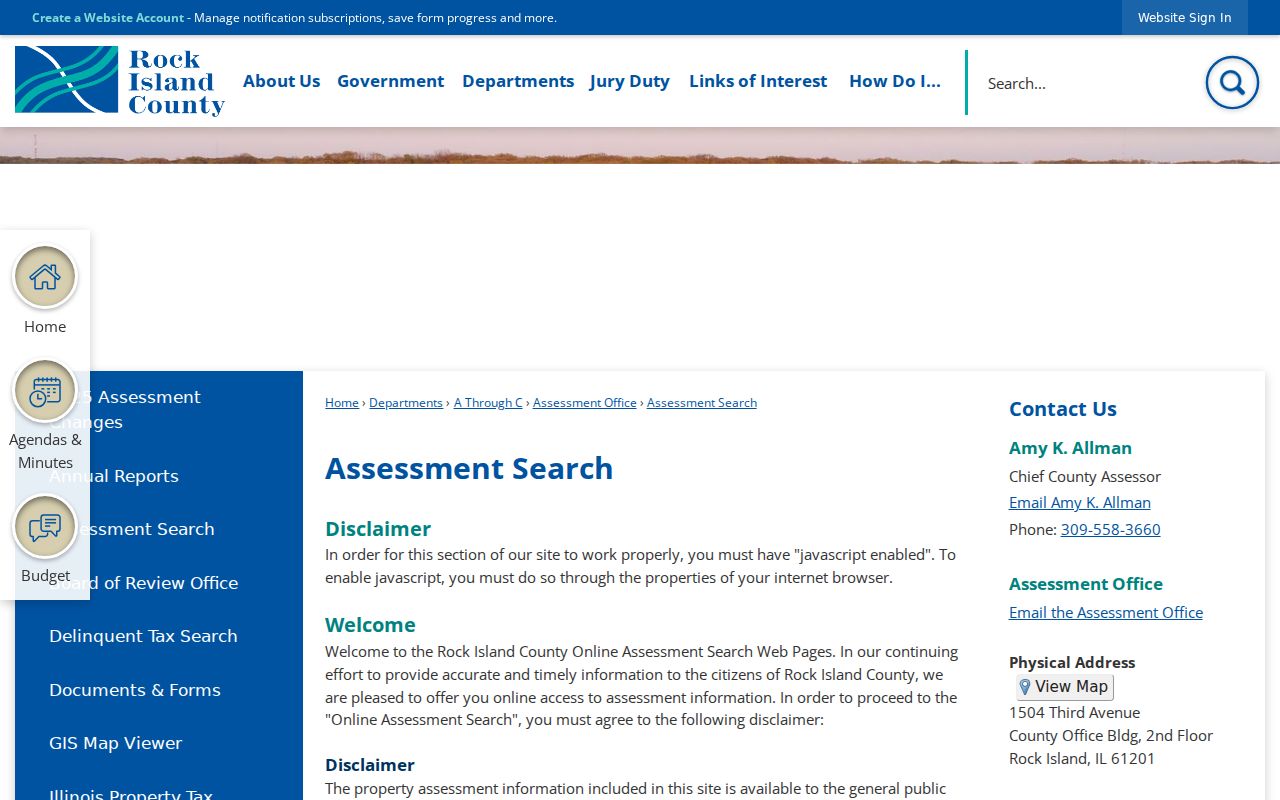
The captured disclaimer reinforces why a dated parcel result should be checked against the deed and other records.
Trace Moline Owners Backward
The deed chain turns today's parcel into a sequence of named transfers. The Rock Island County Recorder holds deeds, mortgages, releases, liens, plats, surveys, and related land papers back to the mid-1800s. Laredo and Tapestry are the official online routes, but the official sources do not state their index starting date, and both can place search or image access behind an account or payment path.
- Copy the current PIN, legal description, owner, sale date, and any prior PIN from DEVNET.
- Find the latest deed through the Recorder portal or office. Transcribe the document number or book and page, date, grantor, grantee, PIN, and full legal description.
- Search the grantor as an earlier grantee. Confirm that the legal description, lot and block, or PIN matches before accepting the result.
- Repeat the handoff. Treat quitclaim, trustee, estate, and other deeds as transfers, not automatic proof of an ordinary sale or occupancy.
- When the online index stops, note the last verified deed and ask for older tract books, record books, microfilm, or a legal-description copy.
- If land was split or combined, trace every prior PIN and consult the subdivision plat separately.
- Grantor
- The party transferring an interest in the property.
- Grantee
- The party receiving that interest.
- Chain of title
- The linked sequence of recorded transfers for the same land.
- Legal description
- The lot, block, subdivision, tract, or boundary wording that identifies land more reliably than an old street address.
Office access matters. Visit 1504 Third Avenue, second floor, in Rock Island, write by mail, or use fax at 309-558-3642. Phone staff do not provide ownership, sale price, liens, easements, lot size, or legal descriptions. A request for the latest deed as a legal-description source requires the published $5 amount. Check current fees before ordering.
When Moline Deed Portals Stop
An online gap does not prove that a record was lost. Rock Island County reported a 2018-2019 project that scanned or merged about 2,500 large bound deed, mortgage, and record books, some dating to the early 1800s. That project explains why an image may exist while a modern searchable field does not. It does not establish that every image is available from home.
Use the office, mail, fax, old books, and microfilm as the fallback chain. Give staff a narrow request: legal description, known owner, approximate transfer span, and last online document. RICHS, local libraries, and the Illinois Regional Archives Depository can help bridge names or old record groups, but they do not replace the Recorder's official copy.
The successful Tapestry capture shows the gated land-record entry.
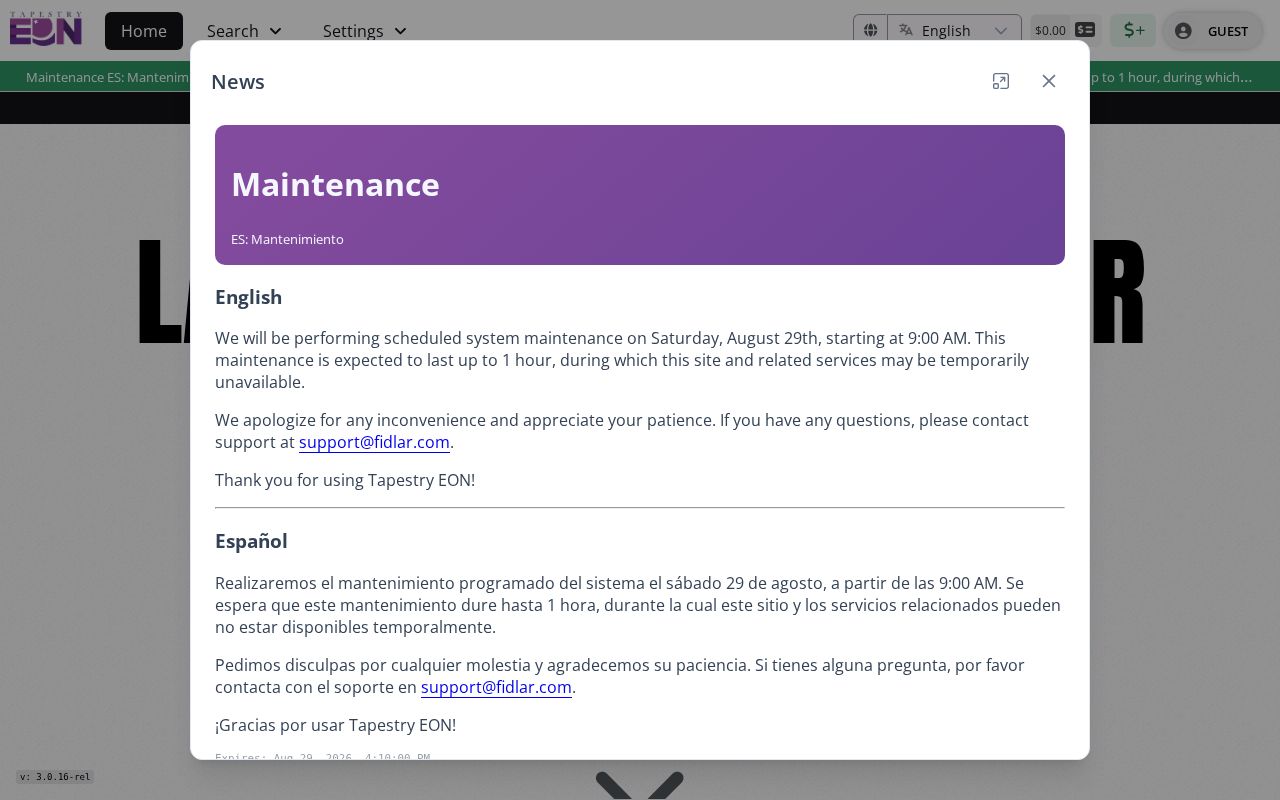
The screen demonstrates why a researcher must plan for paid access or a direct Recorder request.
Inside route. Preserve the PIN and legal description before asking for the latest deed, then carry each earlier owner into directory and newspaper years.
Pair Moline Directories With Census
Ownership is only half of a previous-residents search. A tenant or family member may appear in a directory or census without holding title. The located Moline directory run is not continuous: Holland's Rock Island and Moline volumes cover 1878-1885; a library example uses 1899-1900; H.N. Stone is verified for 1902; and R.L. Polk volumes are verified for 1909, 1917, and 1918. Ask whether a specific volume has a reverse or criss-cross address section.
- Choose a deed transfer date and check the nearest directory year before and after it.
- Search the address section when available, then confirm the occupant in the alphabetical section and read the abbreviation key.
- Pair the directory with the 1900, 1910, 1920, or another public census year. Use the enumeration district when street wording or city boundaries differ.
- Compare names, ages, relationships, occupations, and birthplaces. Initials, spelling variants, and a spouse or widow notation can separate same-name people.
- Log each edition and census page. Do not fill an unsearched year with an assumption that the household stayed.
A criss-cross directory is arranged by address or phone rather than only by surname. An enumeration district is the geographic unit assigned to a census taker. The collections and their reading conventions belong on the Moline city directories page; here they serve one address timeline.
Date a Moline Building
Sanborn fire-insurance maps do not name every past resident, but they can prove whether the structure existed and how its footprint or use changed. Moline sheets are listed for 1886, 1892, 1898, 1906, 1912, 1920, and 1931. Locate the sheet and block, then compare house number, lot lines, construction material, number of stories, windows, doors, water facilities, and occupancy labels.
The UIUC Moline Sanborn holdings list the available sets.
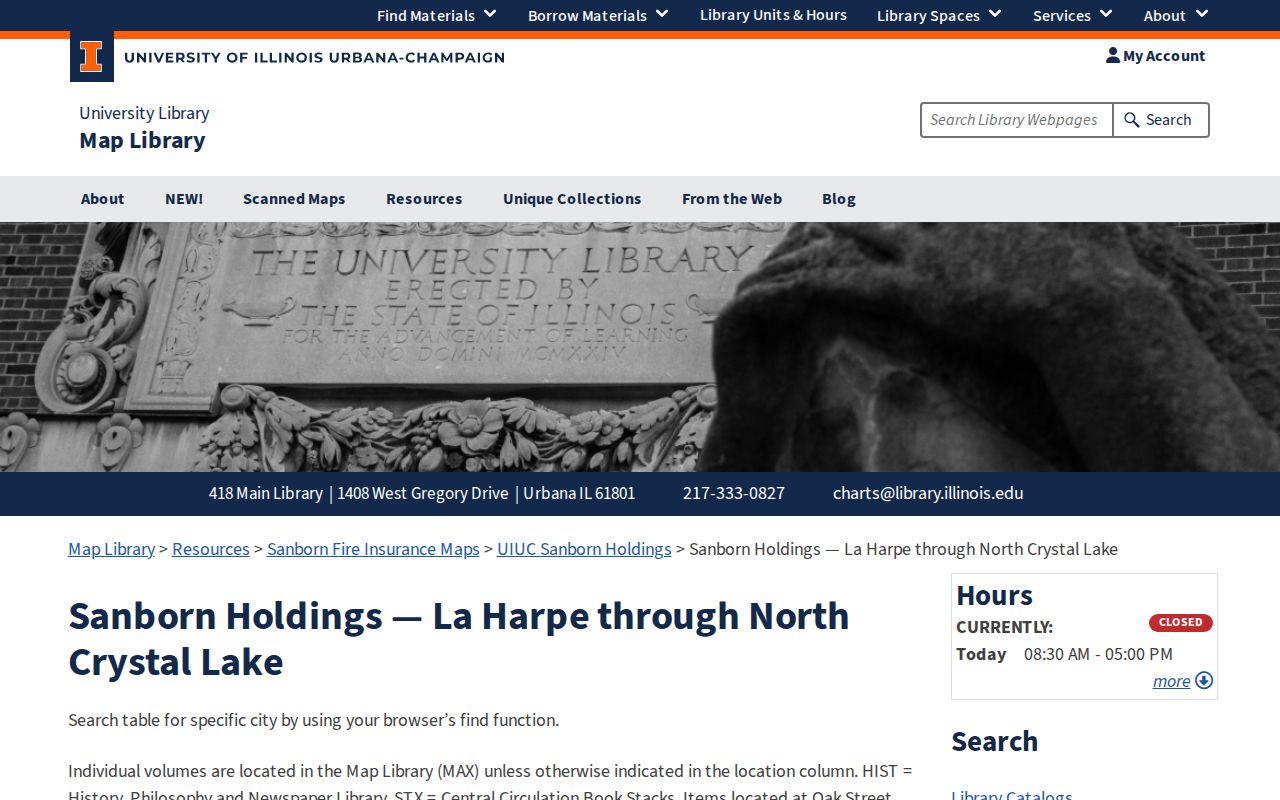
The holdings screen gives the verified map years needed before tying a directory address to a building.
A footprint change should be compared with deed, permit, and newspaper dates. The 1906 item includes an index and symbol key with 31 maps. The 1912 set includes East Moline and Silvis, so confirm that the selected sheet is actually within the Moline area relevant to the address.
Bridge Old Moline Addresses
Moline uses north-south streets, east-west avenues, hundreds by block, and odd-even parity. Even numbers are on east and south sides; odd numbers are on west and north sides. Yet an older address can disappear because of directory wording, annexation, a township label, a renamed street, a postal-city difference, or a changed parcel. Research did not locate a complete local renumbering chronology, so a date should never be invented.
Bridge a mismatch with the GIS previous PIN, Recorder plat, legal description, Sanborn block and house number, cross street, and city address-assignment office. Early downtown grew along Third Avenue between the Mississippi River and railroad tracks, near 15th through 18th Streets. Commerce moved toward Fifth Avenue in the 1910s as the business district shifted south of the tracks. That local move can explain why a business or household is indexed under a different corridor.
Note: Preserve the record's own ward, township, city label, block, and year before translating it into a modern Moline address.
Moline Permits Add Building Dates
Moline launched a digital permit system on October 15, 2025. The official instructions list Search Permit, Issued Permits Report, Properties Search, Inspections, Contractor Search, and License Search. Public fields, retention, and historic cutoff were not fully inspectable. A no-result search therefore cannot prove that no older work occurred.
Use the address and PIN with a defined date range in a Moline FOIA request. Ask for permit number, type, issue date, public applicant or owner fields, contractor or business, inspection status, and final disposition. Verify the current counter location because Building Inspections moved in 2026. The permit trail dates work on the structure; it does not prove who occupied every room.
Close Moline Resident Trails
When a person vanishes from the address, newspapers and probate may explain the transition. The Moline Dispatch has digitized segments from 1895 through 1969 in the Illinois Newspaper Project, while the library advertises broader archive ranges. Search names, address variants, businesses, legal descriptions, and nearby landmarks. OCR can misread old type, so inspect the page image.
The IRAD Rock Island probate index is labeled 1835-1899, and another probate collection reaches into 1962. An estate may identify heirs, an executor, residence, or witnesses. County genealogy indexes cover older births, marriages, and deaths under their stated ranges, with uncertified genealogy copies available through the County Clerk. Obituaries and cemetery records can link a former occupant to family members and burial.
The Rock Island County Historical Society research library offers directories, maps, newspapers, and staff research.
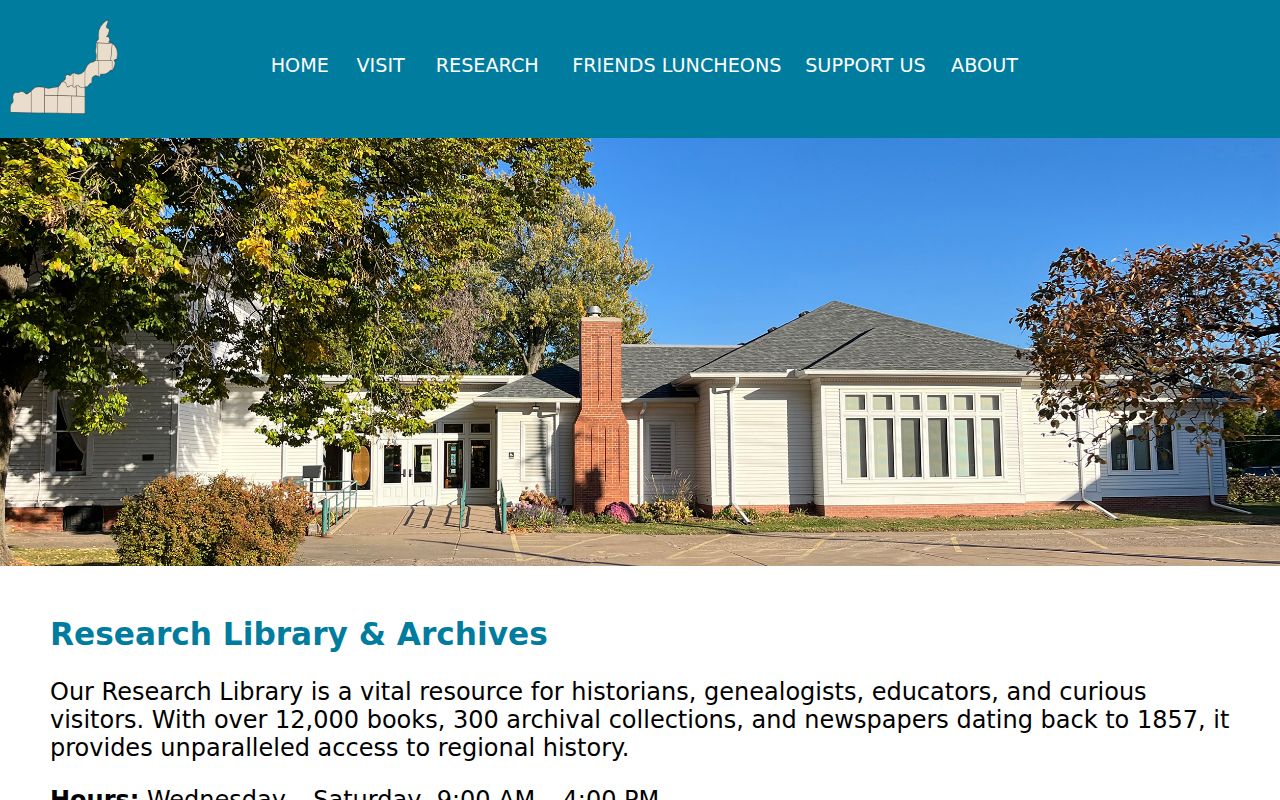
The collection overview shows why a library request is the practical bridge when an address trail leaves official online indexes.
Moline Previous Residents and Limits
A deed proves a recorded interest, not who lived in the house. A directory entry reflects one edition, not every person present. A census page captures a household on its enumeration date, while an obituary or probate record may describe a later family link. Keep those claims distinct and attach a date and source to every name.
If a former occupant is deceased, genealogy indexes, cemetery records, obituaries, probate, and an estate deed can close the chain. If a person may still be living, stop at necessary public facts. Do not use a mailing address, parcel owner, protected voter, or family clue to infer a private location. Illinois Address Confidentiality Program protections and voter redactions exist for safety.
Past-resident research is well suited to house history, genealogy, an estate question, or understanding a building's place in Moline. It should not become a dossier on a living household.
Lawful use. Use Moline previous-resident records for lawful personal research, never to track, stalk, harass, intimidate, or harm a living person.